

Before You Leave for CENTCOM: Make Sure Your Home Is Mission-Ready
When orders come down, life moves fast.
Between training, medical requirements, travel arrangements, family logistics, and everything else that has to happen before departure, your home can easily become something you plan to “deal with later.”
That can be an expensive mistake.
As a Navy veteran and Realtor working with military families throughout Tampa Bay, I know how quickly priorities shift when duty calls. Whether you are deploying, taking an overseas assignment, or preparing for an extended CENTCOM-related absence, getting your home squared away before you leave can prevent financial stress, property problems, and difficult decisions from following you halfway around the world.
You prepare yourself for the mission. Your home deserves a plan, too.

Prepare Your Home Before You Deploy with Confidence
Thoughtful planning today protects your family and your future housing tomorrow
Your Home Belongs on the Pre-Departure Checklist
A home is more than somewhere you sleep between assignments. For many military families, it is also one of their largest financial assets.
Before leaving, you should know exactly what is going to happen with it.
Will your family remain there?
Will the property sit vacant?
Should you rent it?
Would selling before you leave make more sense?
There is no universal answer. The right decision depends on your orders, finances, family, equity, and what you expect to happen after the assignment.
What matters is making that decisionbefore time makes it for you.
I have seen how much easier a transition becomes when the mortgage, maintenance, insurance, access, and contingency plans have already been handled. A few deliberate decisions beforehand can eliminate months of unnecessary stress later.
Keep, Sell, or Rent?
This is usually the biggest housing question before an extended assignment.
Keeping the Home
Keeping your property may make sense if your family is staying behind or you expect to return to Tampa Bay.
In that case, focus on continuity.
Set up reliable payment systems. Make sure maintenance is covered. Have someone local who can access the property if something goes wrong.
If the house will be vacant for an extended period, speak with your insurance provider about how that could affect your coverage.
The goal is simple: make sure the home can operate without requiring your constant attention.
Selling Before You Leave
For some service members, selling creates the cleanest transition.
If you do not expect to return to the area—or simply do not want the financial responsibility of maintaining a property from afar—selling before departure may provide greater flexibility for whatever comes next.
But timing matters.
You do not want to be negotiating repairs, coordinating movers, signing closing documents, and completing military requirements during your final week at home.
If selling is a serious possibility, start the conversation early enough to understand your home's value and realistic timeline.
Turning the Home Into a Rental
Keeping a property as a rental can also make sense, particularly when it fits a broader long-term investment strategy.
But there is an important distinction:
Owning a rental property is different from simply leaving a house behind and collecting rent.
You need to consider realistic rent, management fees, maintenance, vacancy, insurance, repairs, and how unexpected expenses will be handled while you are unavailable.
For most service members leaving the area, having dependable local property management becomes especially important.
Run the numbers before deciding that renting is automatically the best financial option.
Give Your Home Team the Ability to Act
A good plan is not very useful if nobody at home has the information or authority to carry it out.
Before leaving, decide who your trusted point of contact will be.
That may be your spouse, a family member, property manager, attorney, or another trusted person.
Make sure important information is organized and accessible, including:
Mortgage and insurance contacts
HOA or condominium information
Property-management contacts
Utility information
Maintenance providers
Emergency contacts
Copies or locations of important property documents
If someone may need legal authority to act for you, speak with the appropriate legal professional or military legal assistance office about whether a power of attorney is appropriate and what authority it should include.
Do this before you need it.
Trying to solve an authorization problem from another country is considerably harder than solving it at home.
Prepare the Property for Your Absence
If your home will be vacant—or simply without you for months at a time—take care of small problems before they have the opportunity to become large ones.
In Florida, that deserves particular attention.
Check the roof and exterior.
Service the HVAC system.
Address leaks.
Trim problem trees or branches.
Secure outdoor furniture and equipment.
Confirm lawn and pool maintenance.
Make sure someone knows what to do if a major storm threatens the area.
Smart thermostats, security systems, leak sensors, and cameras can also be useful, but technology should support a plan—not replace one.
Someone local should still know how to respond if the system tells you there is a problem.
Florida Weather Does Not Care That You're Deployed
For Tampa Bay homeowners, storm planning deserves its own conversation.
If you will be gone during hurricane season, decide beforehand who is responsible for the property if severe weather approaches.
Who secures outdoor items?
Who checks for damage?
Who contacts your insurer if necessary?
Who can authorize emergency repairs?
The worst time to figure that out is after you receive a damage notification while working in another time zone.
A simple contingency plan can make a major difference.
Think Past This Assignment
One of the biggest mistakes military homeowners can make is treating every housing decision as though it only needs to survive the next set of orders.
Your decision today can affect your next PCS, your finances, and potentially how you use your VA home-loan benefit in the future.
If you keep the home, ask yourself whether you would still want it if another PCS arrived sooner than expected.
If you rent it, understand whether the property truly works as an investment.
If you sell, think about what that gives you financially and strategically at the next duty station.
And if you currently have a VA-backed mortgage, talk with knowledgeable lending professionals about how your existing loan and entitlement may affect a future purchase.
The objective is not predicting your entire military career.
It is keeping your options open.
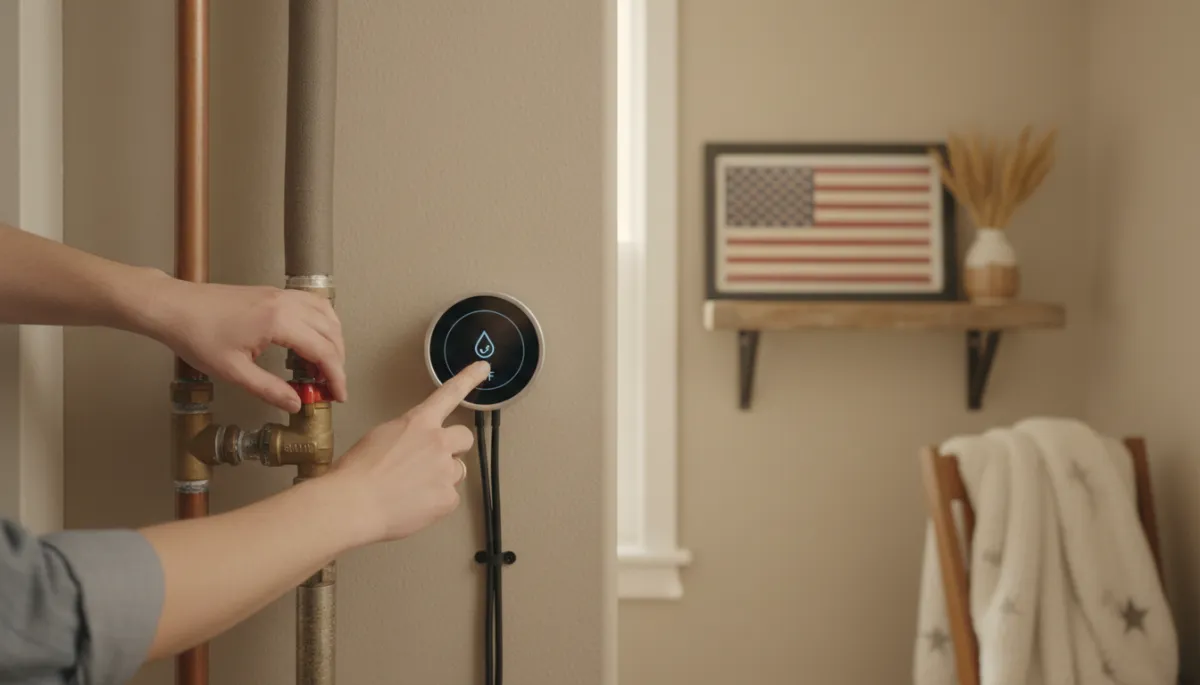
Keep your home in good shape and safe before leaving
Don't Leave Major Decisions Until the Final Week
Military members are used to functioning under pressure.
That does not mean every decision should be made under pressure.
If you know an extended assignment is approaching, begin evaluating your housing plan as early as practical.
You may ultimately decide to change nothing.
That is perfectly fine.
But there is a major difference betweenchoosing to keep your home after reviewing the optionsand simply leaving because there was no time left to make another decision.
Preparation gives you that choice.
Leave Home With One Less Thing to Worry About
Before a mission, you make sure your people, equipment, responsibilities, and contingencies are accounted for.
Your home deserves the same discipline.
Know who is responsible for it.
Know how it will be maintained.
Know what happens if something goes wrong.
And most importantly, know whether keeping, selling, or renting it actually supports where you want to go next.
When those decisions are made before departure, you can focus more fully on the job ahead instead of wondering what is happening back home.
If you are preparing for a CENTCOM assignment, deployment, PCS, or extended military absence from the Tampa Bay area, I would be glad to help you evaluate the real-estate side before you leave.
Matthew Halliday
Navy Veteran | Realtor
Military Veteran Team | LPT Realty